Featured
Table of Contents
, resulting in higher consumer acquisition expenses, lower life time value, and missed growth chances. include over-reliance on platform information, insufficient attribution (first/last-touch focus), and one-size-fits-all project strategies. Carry out multi-touch attribution (MTA), media mix modeling (MMM+), creative analytics, and take advantage of first-party data for precise insights. By reallocating spending plans and enhancing innovative based on data-driven insights, companies can make every advertisement dollar work harder.
A considerable part of ad budget plans are regularly lost due to ineffective methods, minimal information insights, and the ever-changing digital environment and algorithm. If your service is feeling the pinch or having a hard time to measure campaign success properly, it may be time to reconsider your approach. With smarter tools and strategies, you can open the true capacity of your advertisement spending plan and optimize your roi (ROI).
The stakes are even higher in today's privacy-first digital world, where the upcoming death of third-party cookies may leave lots of companies scrambling for dependable attribution. A single consumer may engage with your brand name throughout five or more touchpoints before making a purchase, from an Instagram advertisement to an e-mail campaign to a Google search.
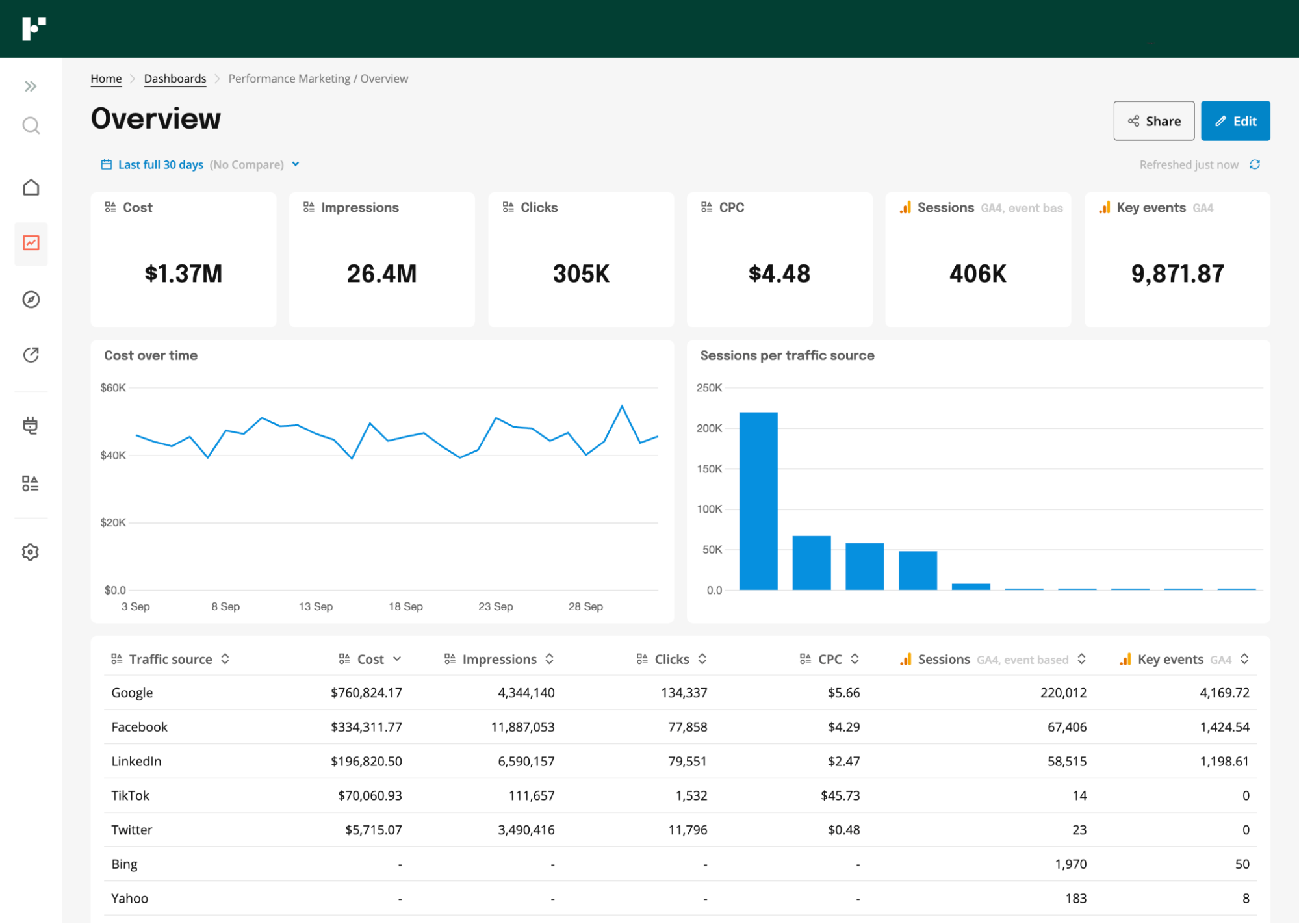
However with the right tools and methods, you can turn your ad invest into a powerful driver of growth and effectively account for every dollar. Before diving into solutions, it's vital to comprehend the most common mistakes companies make with their advertising budget plans. Platforms like to take complete credit for conversions that might have been affected by other channels.
How to Optimize PPC Budgets to Drive Growth
Focusing on just one touchpoint provides you an incomplete picture of the consumer journey. Treating all projects, audiences, or creatives the same is a recipe for wasted invest.
To enhance your advertisement spend and drive development, it's necessary to implement data-driven techniques and leverage modern-day tools. Multi-touch attribution supplies visibility into the entire customer journey, revealing how different touchpoints contribute to conversions. Unlike standard attribution designs that rely on cookies, modern-day MTA options (like Northbeam's) use first-party, cookie-proof attribution for greater accuracy.
Northbeam's MMM+ goes a step further by incorporating sophisticated machine discovering to forecast earnings and optimize invest in real-time. Think of reallocating 10% of your social networks budget plan to browse ads based upon MMM+ insights and seeing a 20% lift in conversions. This level of accuracy guarantees that every dollar works harder for your company.
Imaginative analytics tools help recognize which ads resonate with your audience and which fail, allowing you to make data-driven choices. For instance, if your analytics reveal that video ads exceed static images by 40%, you can shift resources to produce more high-performing video content, enhancing your ROI. In a world where personal privacy regulations and platform biases limit the value of third-party data, first-party information is your secret weapon.
Converting Impressions Into High-Value Sales
Ad invest optimization isn't always about cutting costs it's about opening growth. There are numerous areas of possible inefficiency that might be obstructing of your ROI potential. By purchasing advanced tools like multi-touch attribution, media mix modeling, and imaginative analytics, you can maximize the impact of every dollar and drive meaningful outcomes for your service.
When thinking about OTT alternatives, you should consider the possibility of segmentation and targeting. You can also evaluate engagement metrics like interaction and conclusion rates to determine if your ads were engaging enough for audiences to really watch.
By now, you should have examined your ad spend choices and selected a minimum of one channel to reach your target audience. Once you've identified how you'll advertise to them, you should figure out how much you'll invest in advertising. There are 3 ways to help you effectively assign your media budget plan: Consider factors like your target audience, their habits, and the efficiency of the channels you are evaluating in engaging them.
Conducting tests and experiments allow you to evaluate the performance and efficiency of different media channels, ad formats, targeting options, and campaigns. By implementing experiments, such as A/B screening, you can compare and determine the effect of various variables to identify the most reliable mixes and optimize your budget allocation based on the insights got.
Utilizing Machine Learning for Modern PPC
By tracking the performance of each channel and project, you can recognize underperforming locations and reallocate the budget to the ones that provide better outcomes. This data-driven technique guarantees that your spending plan is allocated to the techniques and channels you expect to generate the greatest returns. Your advertisement costs is an essential monetary aspect of your company.
Coordinating your efforts across various organization teams, channels, and projects will permit your financing and marketing teams to interact to designate your budget effectively. Just how much you invest in advertising mostly depends on the types of channels you use, the expenses included with producing campaigns, and your profits. Nevertheless, every organization can gain from affordable digital marketing strategies like email, social media marketing, and digital marketing.
As digital marketing expenses rise annual, extending marketing budgets to preserve or improve ROAS (return on advertisement invest) becomes significantly tough. The thing here is that you do not always have to increase your ad budget plan. Rather, you can deal with a list of small concerns that will result in a remarkable compound effect.
Algorithms in ad platforms like Facebook Ads, Google Ads, and LinkedIn Ads grow on top quality data. The more detailed information you feed them, the much better they can optimize your projects. However, online marketers typically undervalue the subtleties of information sharing and conversion tracking, which can considerably impact campaign efficiency and ROAS.Let's simplify with an example from a current Improvado webinar.
The PPC campaign setup appeared straightforward: the registration link was included, ads were launched, and traffic started streaming. Here's what went wrong: Due to setup constraints, Facebook couldn't track when users registered on Livestorm (though Livestorm provides Conversion Pixels, they are just readily available in higher-tier packages). Facebook's artificial intelligence algorithm depends on conversion data to find similar audiences and optimize ad shipment.
Growth-Focused Ad Strategies to Fuel B2B Success
The result? A less effective social media project than it might have been and lost marketing spend. This highlights a critical insight: If conversion occasions aren't appropriately set up and shown platforms, their algorithms can't operate optimally. Platforms need as much pertinent data as possible to find out efficiently. Sync conversion events and audience interactions throughout all touchpoints.
Platforms are limited to their own ecosystem. By combining data from numerous platforms, you can get a complete image of project efficiency and reveal actionable insights that specific platforms may miss out on.

Latest Posts
Growth-Focused Ad Strategies to Fuel Digital Growth
Proven Methods for Supporting Youth Wellness Resources Globally
Analyzing Paid Media Performance